How Often Should You Schedule A Denture Reline?
General information only. For personal advice, book an appointment with a qualified clinician.
A comfortable, secure fit can be the difference between dentures you forget about and dentures you fight all day. If you have been searching "denture reline on the Gold Coast" because your plate is rubbing, slipping or collecting food, timing a reline may restore comfort and protect your mouth. This guide explains why fit changes over time, how to recognise the signs, and how often most people benefit from a professional reline as part of denture maintenance on the Gold Coast.
What A Reline Actually Does
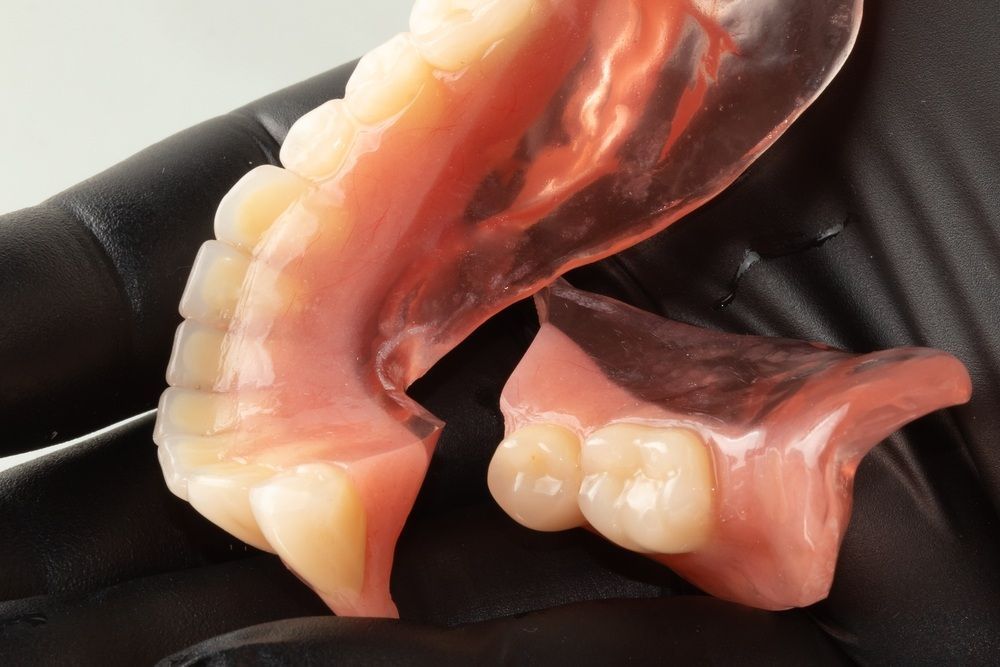
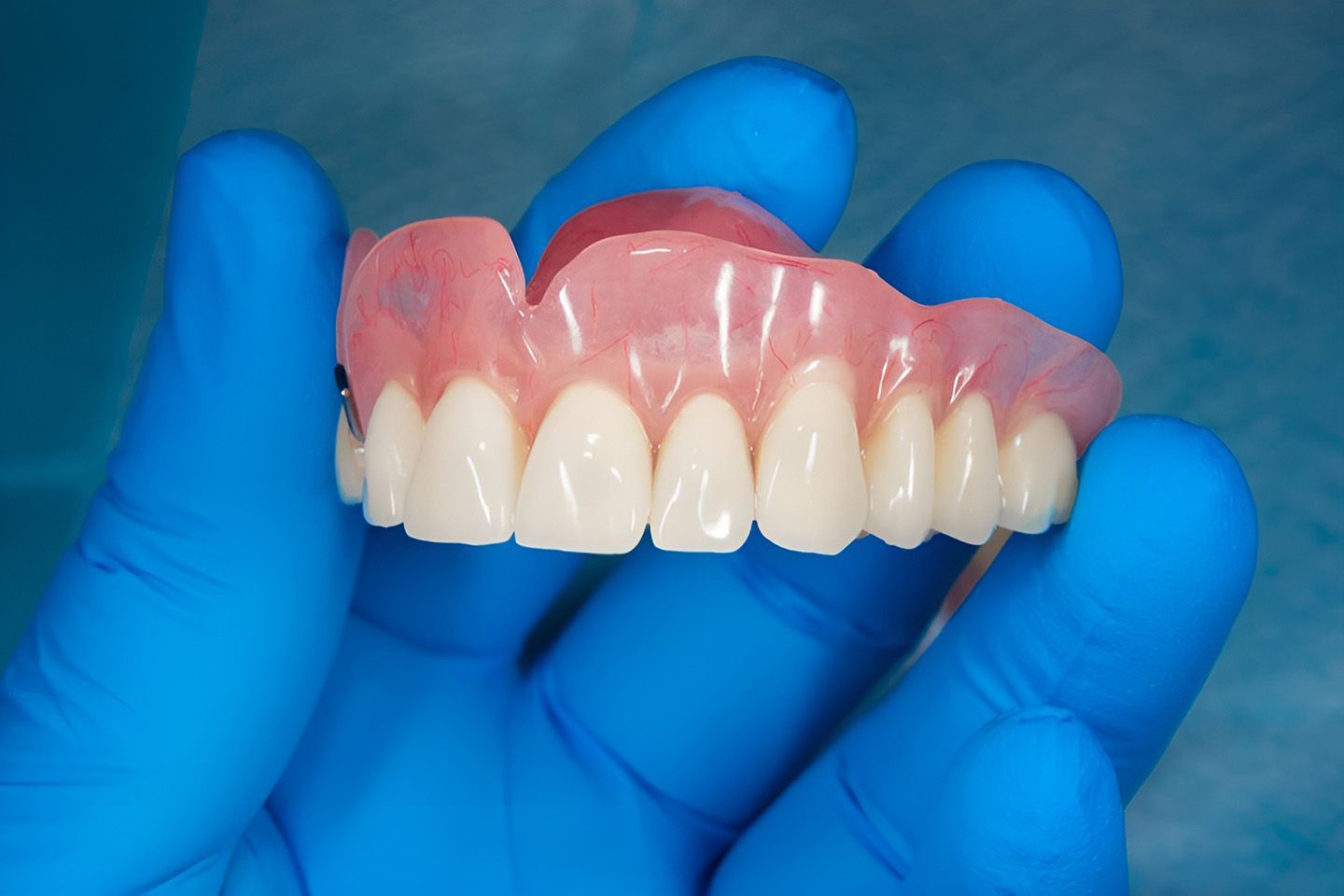
A reline refreshes the fitting surface of your denture so it matches the current shape of your gums. Your clinician takes an impression inside the denture, then adds new material to rebuild the tissue side. The teeth stay the same. The change happens where the denture meets your mouth, which is why a reline can transform comfort without replacing the entire set of dentures on the Gold Coast.
Why Fit Changes Even When You Care For Your Denture
Gums and the underlying bone are living tissues. They remodel with age, weight change, tooth loss history and everyday chewing forces. That slow, natural change means a denture that felt perfect last year can feel loose this year even if you clean it well and store it correctly. Ill fit is not a failure of care. It is a signal your mouth has changed shape and the denture needs to catch up.
The Short Answer: How Often To Reline
Timeframes vary, yet most full denture wearers benefit from a reline roughly every 1 to 2 years, with many partial wearers stretching longer. The first year after extractions often needs earlier review because gums settle quickly. If you experience weight change, new medications that affect saliva, or a health event that alters muscle tone, you may need a reline sooner. Think of a reline like tyre rotation for comfort and function — small adjustments prevent bigger problems later.
Clear Signs You Need A Reline
If one or more of these show up, book a review rather than pushing through:
- Movement when eating or talking, or a need for adhesive most days
- Sore spots on the ridge, ulcers that reappear in the same place, or general gum tenderness
- Food trapping under the plate, especially around the back
- Clicking, rocking or lifting when you yawn or smile
- Changes to facial support, like a sunken look or new lip folds
- Increased gag reflex with an upper plate that feels too long or bulky
These are comfort clues, but they also signal risk. Ongoing friction can inflame soft tissue and make future fit adjustments harder.
Soft Reline, Hard Reline Or Rebase: What’s The Difference
- Soft reline: a cushioning layer used for tender gums or during early healing phases. It feels forgiving but usually needs more frequent refreshes.
- Hard reline: durable material bonded to the denture base after a new impression. This is the standard long term refresh for many wearers.
- Rebase: keeps your existing teeth but replaces the whole base. It is used when the fitting surface or base material is worn, cracked or stained beyond a simple reline.
Your clinician will suggest the lightest option that restores fit without over treating.
What Happens During A Professional Reline
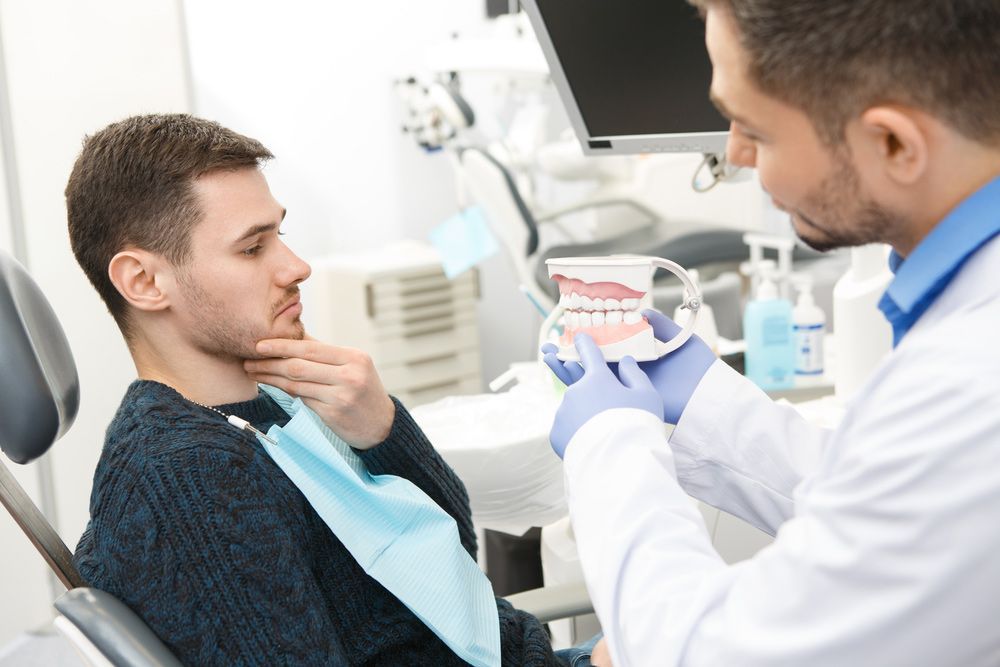
A typical appointment includes a fit check, pressure-point marking, a new impression inside the denture, and either a chairside reline or a short lab turnaround. Expect:
- A brief period without the denture if it goes to the lab
- A follow up polish and edge refinement so the borders feel natural
- Fine tuning a few days later once you have worn the denture for meals
Relines are precise. Quick DIY kits rarely capture border movement or pressure points, which is why they fail after a few weeks.
Why Waiting Costs More Than A Reline
An ill fitting denture does more than annoy you. It can:
- Rub the tissue ridge, leading to sore spots and ulcers
- Accelerate bone resorption when the bite lands unevenly
- Strain jaw joints if you change your chewing to keep the plate steady
- Increase the risk of fungal overgrowth under an upper plate that traps moisture
- Crack the base or teeth when a rocking denture flexes under load
Relining early is cheaper than managing chronic irritation, repairs or a full remake.
Relines vs New Dentures: When A Refresh Is Not Enough
A reline cannot solve every problem. You may be better off planning new dentures on the Gold Coast if:
- The teeth are worn flat, stained or set in a bite that no longer suits your jaw position
- The base is crazed, thin or repeatedly repaired
- Your facial support has changed so much that the current tooth position does not look or feel right
- You have had several relines in quick succession without stable comfort
A clinician will explain whether a reline will genuinely restore comfort or if a remake gives the best long term result.
Care Between Relines That Extends Comfort
Small daily habits keep tissues healthy and the fit stable for longer.
- Remove dentures overnight unless advised otherwise, and store them in clean water
- Brush the denture and your gums with a soft brush to reduce biofilm
- Use approved cleaning solutions, not hot water or bleach
- Rinse after meals to prevent trapped food from rubbing the ridge
- Book routine checks even if everything feels fine, because small pressure points are easier to fix early
These steps support your mouth and make each reline last.
Book Miami Denture Clinic — Schedule A Denture Reline On The Gold Coast
Relines are part of normal denture maintenance on the Gold Coast. Most people benefit every 1 to 2 years, sooner after extractions or if health changes alter gum shape or saliva. Acting early protects soft tissue, restores chewing confidence and extends the life of your denture. If your plate moves, rubs or relies on daily adhesive, that is your cue to book a review rather than put up with discomfort.
Miami Denture Clinic provides chairside and lab processed relines designed to restore comfort and stability with minimal downtime. If you are noticing sore spots, slipping or food trapping, call us to book. Tell us how long you have had your denture, what symptoms you feel and when they started, and we will map a simple plan to get your fit back on track.