Implant-Retained Dentures Vs Traditional Dentures: How To Choose On The Gold Coast
If your lower plate lifts every time you eat, implant-retained dentures on the Gold Coast are worth assessing before you replace the denture altogether, but implants aren't the only fix. Many Gold Coast patients with a loose lower plate and a perfectly stable upper denture only need one or the other adjusted, not both replaced. The honest starting point is working out which of your dentures is actually failing, and why.
The Short Answer: Who Should Consider Implant-Retained Dentures (and Who Shouldn't)
Implant-retained dentures suit patients whose lower denture keeps lifting, clicking or moving no matter how much adhesive they use, and who have enough remaining jawbone to support an implant. They also suit anyone who has watched their face change shape over years of conventional denture wear, since implants work to slow that bone loss rather than just cover it up.
They're less likely to suit someone whose upper denture already sits securely thanks to a good suction seal, or whose gum contours have simply shifted since their last reline. In that case, a reline or a remake is often the better-value option before implants are even discussed.
- Consider implants if your bottom denture moves constantly, you're using more adhesive each month, or your dentist has flagged bone loss
- A reline may be enough if your denture recently stopped fitting well but your bite and jaw shape haven't changed much
- Adequate bone volume is required for implant placement, and this is assessed at a consultation, not guessed at from symptoms alone
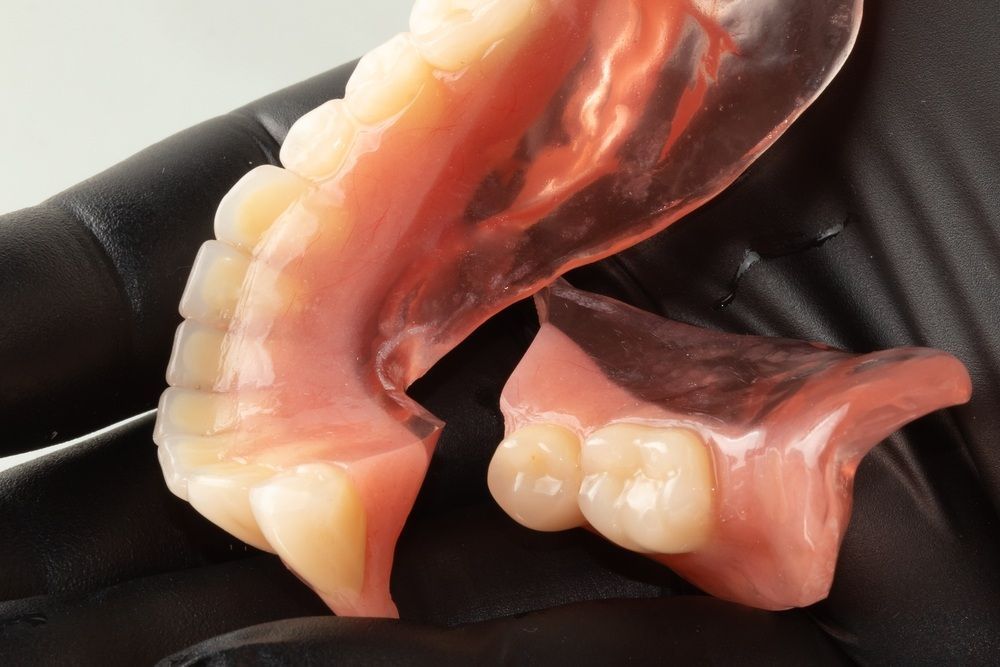
Patients who aren't suitable for implants still have strong options with custom
full and partial dentures, which can be relined or remade to restore fit and function without a surgical step.
Why Do My Bottom Dentures Keep Moving?
This is one of the most common questions we hear in the chair, and there's a straightforward anatomical reason behind it. An upper denture has the palate to work with, which creates a natural suction seal that holds the plate in place even without much bone support. A lower denture has no equivalent surface. It sits on a narrow ridge of gum and bone, with the tongue and cheek muscles working against it all day.
Over time, that lower ridge resorbs, meaning the bone gradually shrinks once it's no longer holding natural teeth. Less ridge means less denture to grip onto, so the plate rocks, lifts and slides, particularly when chewing something firm like steak or biting into an apple. This is exactly why lower dentures are the ones that most often end up as candidates for implant retention, while upper dentures frequently perform well on suction alone for years.
What's Actually Different About Implant-Retained Dentures?
Implant-retained dentures anchor to implants placed in the jawbone, using an abutment or stud attachment that the denture clicks or locks onto. Instead of relying on suction, gum shape or adhesive, the denture is held by a fixed point in the bone itself. That's the difference patients notice first: the plate stops lifting mid-sentence and stays put while eating.
There's a second benefit that matters just as much long-term. Because the implant sits in the jawbone, it provides ongoing stimulation to that bone, which helps combat the alveolar ridge resorption that causes the sunken, aged look associated with years of conventional denture wear. Most patients also find they need little to no denture adhesive once implants are in place. The surgical placement of the implant itself is carried out with the treating dentist as part of the overall treatment plan, and adequate bone volume is a requirement that's assessed before anything is committed to.
Removable or Fixed - Which Implant Denture Option Suits You?
There are two real formats, and the right one depends on your priorities as much as your clinical suitability.
- Removable overdentures click onto the implants and can be taken out for cleaning, just like a conventional denture. They're easier and cheaper to maintain over time, and many patients prefer being able to clean both the denture and the implant site thoroughly each night.
- Fixed implant dentures stay in place permanently and feel closest to natural teeth, since there's no clicking in or taking out involved. They generally require more implants to support the structure and a longer treatment planning process.
The number of implants used, and the design of the denture itself, also differs between the upper and lower jaw, so this isn't a one-size-fits-all decision. It's worked out individually based on your bone, your bite and how you want to manage day-to-day care.
Cost, Time and Upkeep: Implant-Retained vs Traditional Dentures Compared
Without confirmed pricing from the clinic, we won't put dollar figures against either option, but the ongoing time and maintenance differences are worth laying out honestly.
| Factor | Traditional Dentures | Implant-Retained Dentures |
|---|---|---|
| Stability | Relies on suction and gum fit, can lift or move | Anchored to implants, stays in place while eating and speaking |
| Chewing ability | Reduced, particularly for firmer foods | Closer to natural biting force |
| Cleaning | Removed nightly, standard denture care | Removable option cleans like a standard denture, fixed option needs specific hygiene routines |
| Jawbone impact | Bone continues to resorb over time | Implant stimulates bone, helping preserve jaw and facial structure |
| Upfront cost | Lower initial cost | Higher initial cost, reflecting the surgical and prosthetic steps involved |
| Ongoing maintenance | Periodic relining as gum contours change | Occasional check-ups and attachment maintenance, less reliance on adhesive |
| Typical timeline | Can often be completed in a small number of visits | Involves an assessment stage, surgical stage and fitting stage, over several visits |
The point often missed is that traditional dentures aren't a one-off cost. As your gum contours change, the fit loosens and a reline becomes necessary again, and that cycle repeats over the years. It's a real ongoing cost that deserves to be weighed against the higher upfront investment of implants, rather than comparing a single reline to a single implant procedure.
Could a Reline Fix Your Current Dentures Instead?
Before assuming implants are the answer, it's worth ruling out a simpler fix. In many cases a denture relining restores the fit as your gum contours change, which is a far smaller job than moving to implants. If your upper denture is stable and your ridge is sound, a reline or a full remake is often the better-value choice, and there's no need to introduce a surgical step where it isn't required.
This is particularly relevant if your dentures fitted well until recently and the change has been gradual rather than sudden. A straightforward fit issue doesn't necessarily mean your jawbone has changed enough to need implant support.
Getting Assessed on the Gold Coast: What Happens at Your Consultation
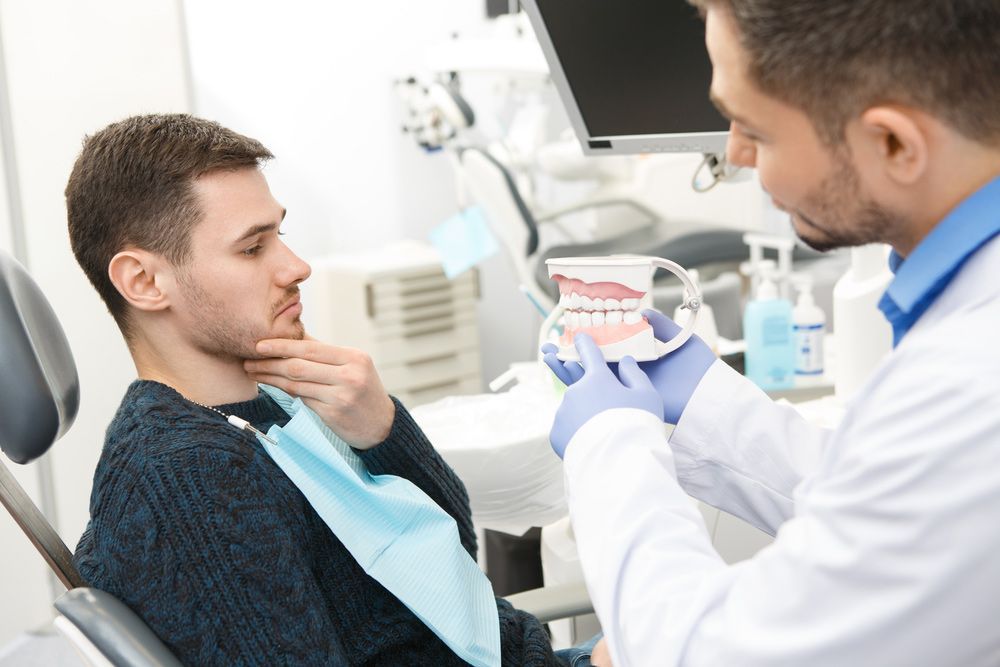
A suitability consultation is about assessing your ridge and bone support, checking whether your current denture could be converted, and being upfront about which option actually solves your specific problem. There's no pressure to commit to implants at this stage, and before committing to any implant work, it pays to know how to choose the right denture clinic and what questions to ask at the consultation.
Because the clinic serves Miami, Broadbeach and Kingscliff, follow-up adjustments, relines and reviews are all handled locally rather than needing a trip to Brisbane or interstate. For Gold Coast patients weighing up a denture upgrade, that local access matters just as much as the clinical decision itself.
Frequently Asked Questions